
Great medical education happens when people stop watching and start doing.
Our RCEM pre-conference workshop on MSK trauma: lectures, hands-on ultrasound, procedures and simulation.
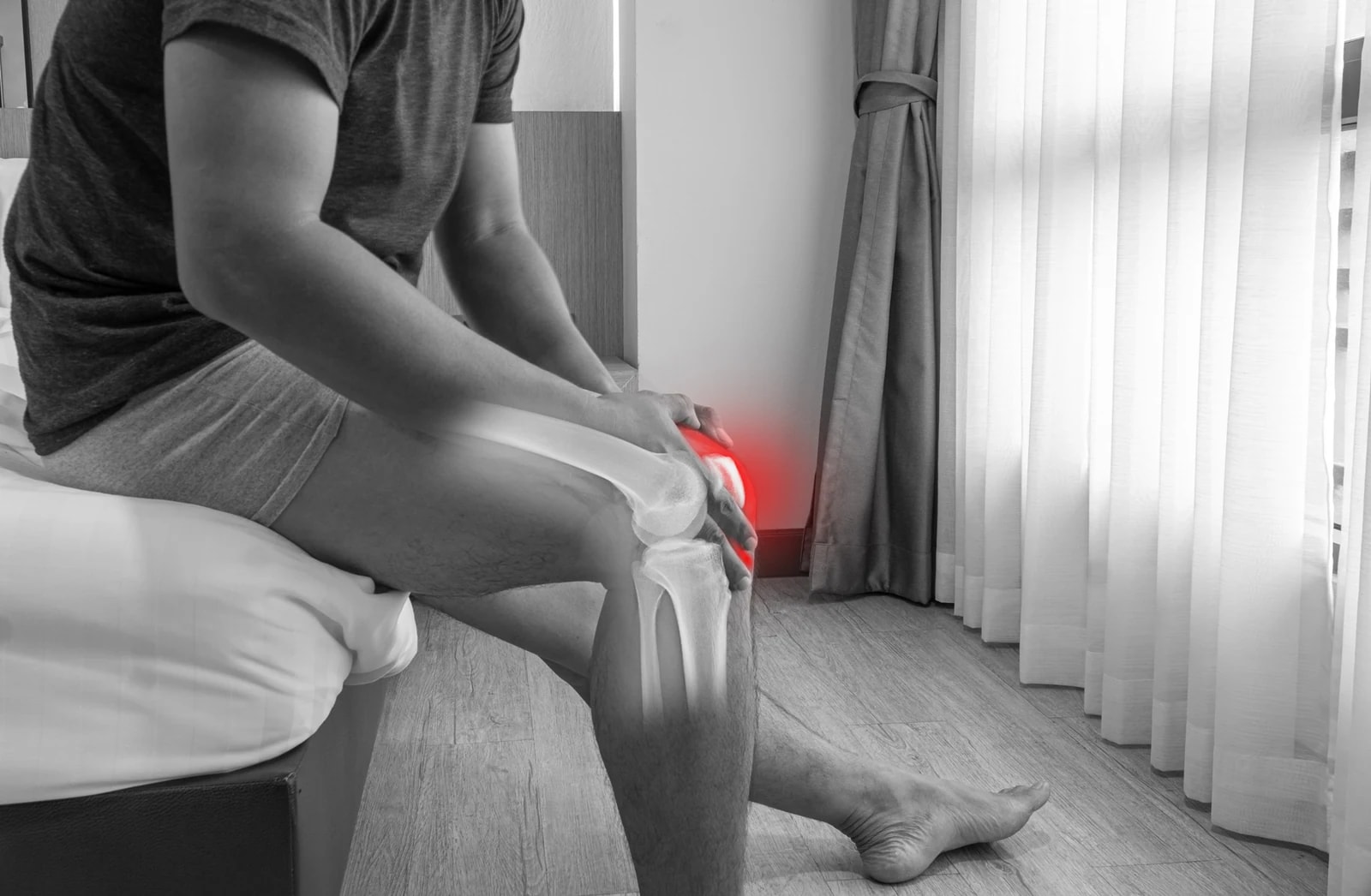
Joint pain can range from a minor annoyance to a debilitating condition, but how do you know when it’s time to seek advanced imaging? While rest and ice help with temporary strains, certain symptoms indicate deeper issues that require precise diagnosis. Musculoskeletal ultrasound offers a fast, radiation-free way to visualise soft tissues in real time, helping specialists pinpoint the exact cause of your pain.
Here are 5 key signs that you should consider an ultrasound scan for your joint discomfort:
Swelling is your body’s way of signalling injury or inflammation, but if it lingers for more than a week despite rest, ice, or anti-inflammatories, it could indicate:
Why ultrasound? Unlike X-rays (which only show bones), ultrasound detects fluid accumulation, tendon damage, and soft-tissue inflammation in real time.
If your joint “locks up” or makes grinding/popping noises with movement, you may have:
Ultrasound can track moving structures (like tendons gliding over bones) to identify mechanical issues missed by static scans.
Pain that worsens at night often signals:
Did you know? Ultrasound can diagnose nerve entrapment by showing swollen or compressed nerves, with no EMG needed.
If months of physio, meds, or rest haven’t helped, the issue may be:
A 10-minute dynamic ultrasound can reveal what other scans missed.
These nerve-related symptoms suggest:
Ultrasound visualises nerve swelling and guides precise injections to relieve pressure.
✔ No radiation (safe for repeated use)
✔ Live imaging (sees muscles/tendons in motion)
✔ Guides treatments (injections, aspirations, more)
✔ Faster & cheaper than MRI for many conditions
Case Example: A tennis player with “elbow tendinitis” got 3 months of ineffective physio, until ultrasound revealed a partial tendon tear. One guided PRP injection later, they were back on the court.
More insights from the clinic.

Our RCEM pre-conference workshop on MSK trauma: lectures, hands-on ultrasound, procedures and simulation.
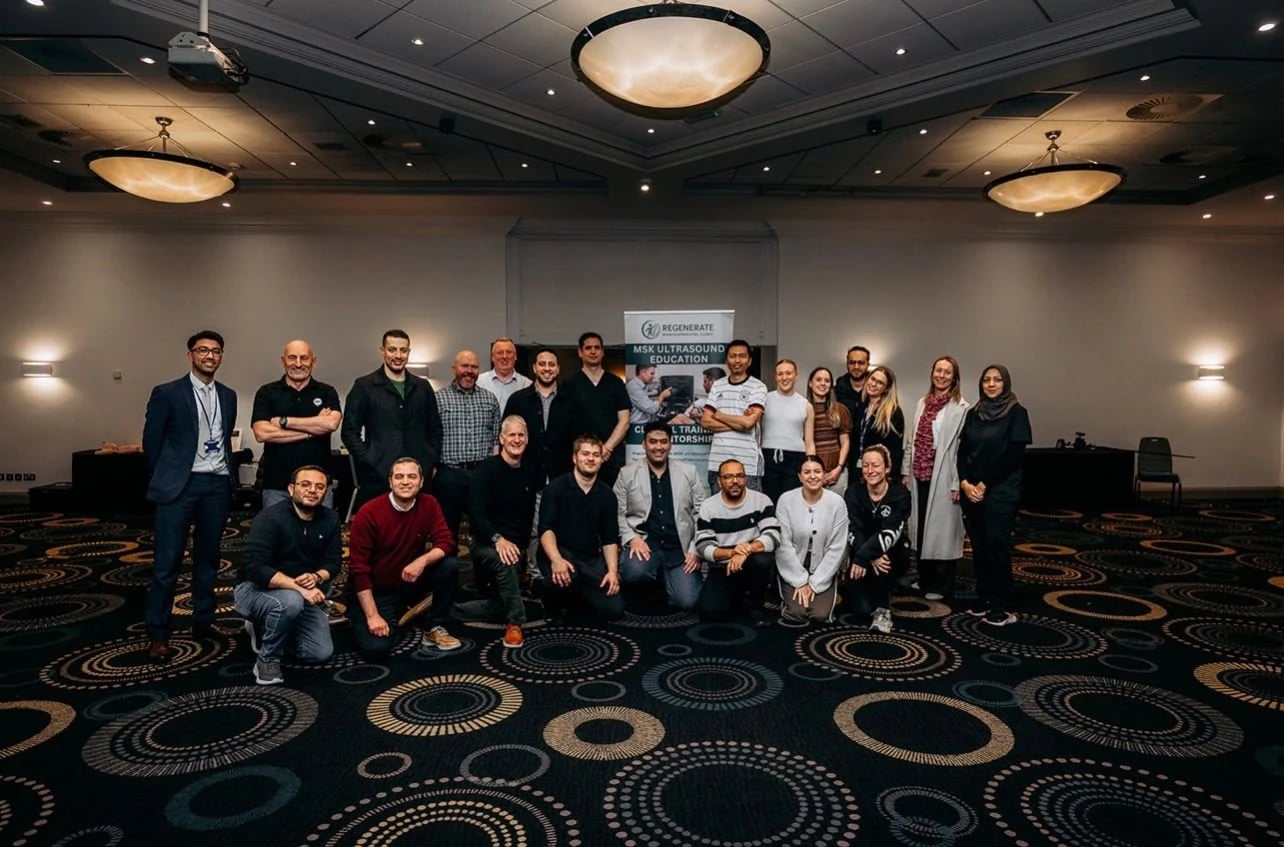
Photos from our hands-on MSK ultrasound course at the Mercure Hotel.
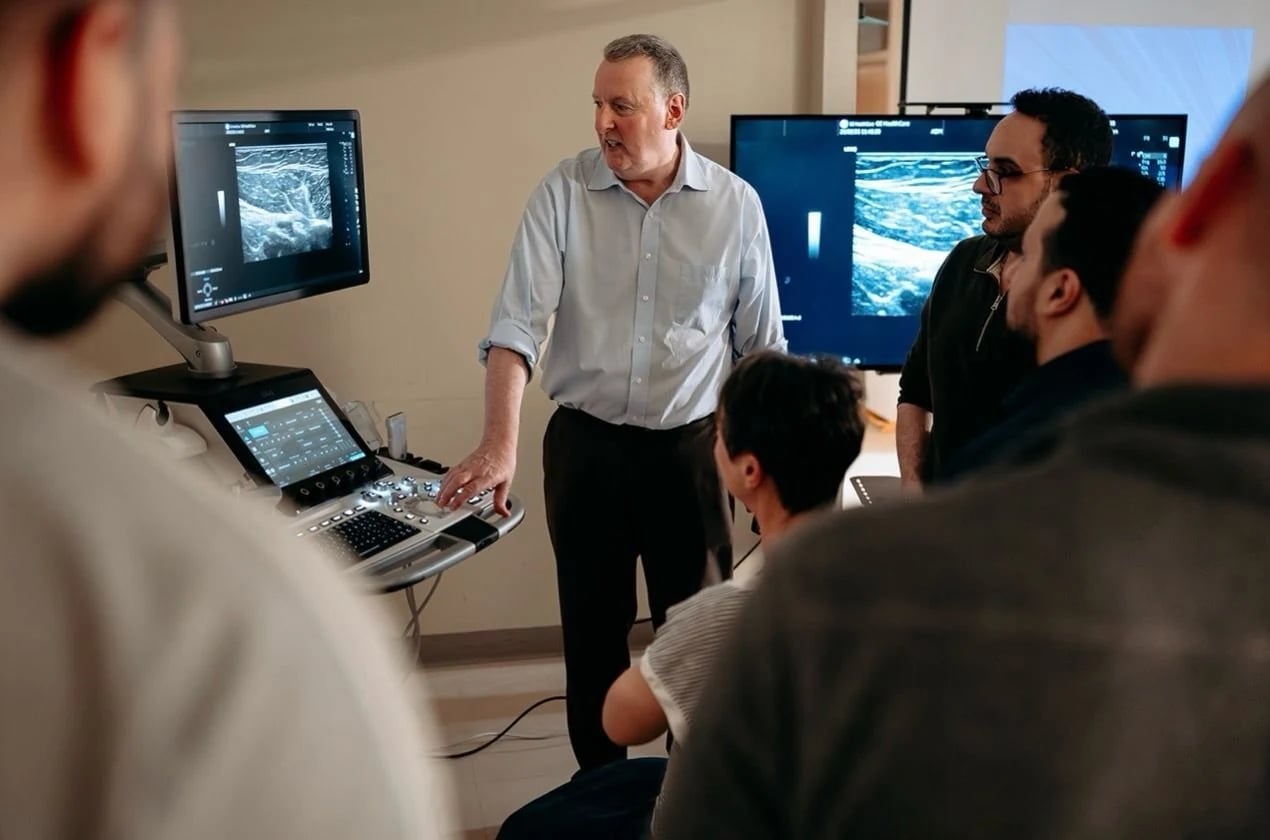
Highlights from our introductory MSK ultrasound course and why hands-on teaching still matters.
Book online in a few clicks, or message us and we'll help you choose the right appointment.